

NESArt

Art. Knowledge. Connection.

About NESArt

Established in 2014 in Beirut, NESArt is a renowned art advisory agency dedicated to promoting and preserving the rich artistic heritage of the Near East. Through its expertise in art advisory, the management of private collections, appraisals, and investments, NESArt has built a strong reputation for its market knowledge and commitment to cross-cultural exchange and dialogue. We are passionate about celebrating our Near Eastern history and heritage, forging new understandings of our culture, and fostering a deeper appreciation for its arts.

Meet the Founders

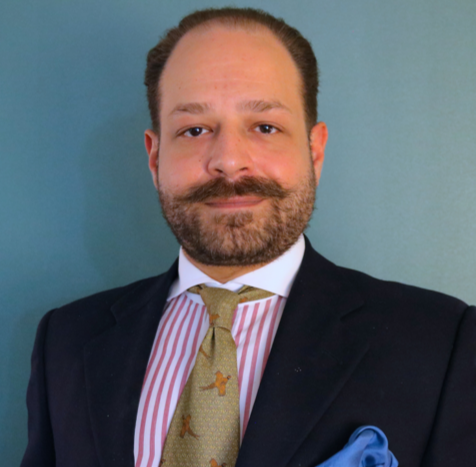
Alexis Mouawad Art Consultant

Alexis Mouawad

Specialist in Modern and Contemporary Near Eastern Art, Advisor and Curator.
Groomed in a family of historians and collectors…

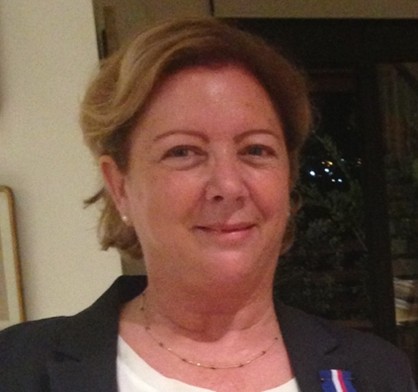
ray jabre mouawad

Ray Jabre Mouawad

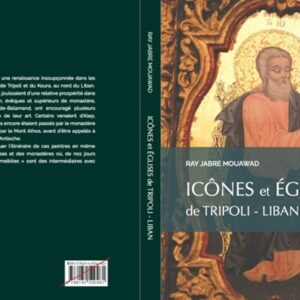
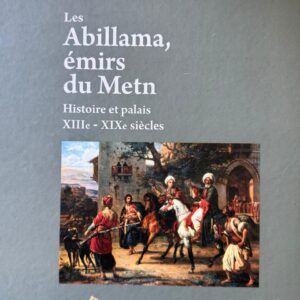
My name is Ray Jabre Mouawad (PhD.). I contribute to the Art and History, and the Sacred Art departments of NESart, as I wrote several articles and books in these fields (see links below).

Access

Over the years, we have built strong relationships across the global art scene. Thanks to this trusted network, we can connect you with pieces, people, and opportunities that often remain behind the scenes.

Core Values


Our work is rooted in trust, curiosity, and a shared love of art. Whether you’re building your first collection or refining an existing one, these values shape the way we guide and support you.

Expertise

We bring together a deep understanding of art history and the workings of the art market. But more importantly, we take the time to understand you, your taste, your questions, your vision, so we can help you choose works that resonate and endure.

Transparency

Trust is essential in any advisory relationship. We’re open about prices, sourcing, and every step of the process. Our goal is to make art collecting feel clear, personal, and genuinely enjoyable, today and for years to come.

Legacy-Driven Vision

We bring together a deep understanding of art history and the workings of the art market. But more importantly, we take the time to understand you, your taste, your questions, your vision, so we can help you choose works that resonate and endure.

12

Employees

600

Paintings

50

Exhibitions a year

8

Artists

6

Partners

Art galleries Beirut: The Master Guide to Elite Art

The Collector’s Guide to Art Galleries in Beirut: Discovering Lebanon’s Creative Pulse Beirut is a city where history is not merely found in books but is etched into the very walls of its vibrant neighborhoods. For the discerning collector and the curious wanderer alike, the landscape of art galleries Beirut offers an immersive journey through the resilience and ingenuity of the Levant. Since its establishment in 2014, NESArt has stood as a sanctuary for Near Eastern creativity, bridging the gap between historical heritage and the cutting edge of contemporary art Beirut. In this comprehensive guide, we explore the evolution of the Lebanese capital as a Mediterranean art hub, identify the districts that pulse with creative energy, and provide expert insights into building a world-class collection of Lebanon art. Whether you are navigating an art gallery website or walking through the sun-drenched streets of Gemmayzeh, understanding the cultural nuances of this region is the first step toward meaningful acquisition. The Evolution of Beirut as a Mediterranean Art Hub The story of the Beirut art scene is one of constant renewal. Often referred to as the “Paris of the Middle East,” Beirut has historically served as a bridge between Eastern traditions and Western modernism. The city’s artistic pedigree dates back to the late 19th-century “Marine School of Beirut,” where pioneers like Daoud Corm and Ibrahim Serbai transitioned from technical realism to expressive fine arts. Following the intellectual renaissance of the 1940s, the founding of the Académie Libanaise des Beaux-Arts (ALBA) in 1937 provided a formal framework for fine arts education. By the 1960s, the district of Hamra was already teeming with over twenty galleries, establishing a precedent for the “proto-institutional” environment we see today. Despite the scars of civil war and more recent traumas like the 2020 port explosion, the community of art galleries in Lebanon remains a bastion of plurality and freedom of expression. Today, modern art of the Near East  is characterized by its engagement with identity, memory, and political complexity. Artists from Syria, Irak, Jordan, Palestine or Egypt no longer seek only to represent beauty but to “restore the memory” of a region that was once the cradle of civilization. This is the core mission of NESArt: to celebrate Near Eastern heritage while fostering a deeper appreciation for the modern voices emerging from the Mesopotamian plains and Lebanese mountains. Top Districts for Art Enthusiasts: A Neighborhood Guide Beirut’s art world is decentralized, woven into the fabric of its residential and commercial streets. To truly experience art galleries Beirut, one must explore these distinct cultural enclaves. Gemmayzeh and the Gouraud Street Corridor Gemmayzeh is perhaps the most iconic district for those seeking fine arts. Its traditional architecture, characterized by triple-arched windows, houses some of the city’s most forward-thinking spaces. Art on 56th: Located on 56th Youssef Hayeck Street, this gallery is a pillar of contemporary art Lebanon, showcasing rotating exhibitions of regional talents. Aramé Art Gallery: A destination for museum-quality works, specializing in modern Armenian and Lebanese masters. Août Gallery: A newer addition that brings a lifestyle-conscious dimension to the scene, often blending international contemporary voices with local narratives. Mar Mikhaël: The Industrial Edge Just east of Gemmayzeh, Mar Mikhaël offers an industrial aesthetic that perfectly complements large-scale installations and avant-garde works. Galerie Tanit: Housed in the East Village Building on Armenia Street, Tanit is known for its intellectually rigorous programs and focus on socially engaged practices. Difaf Gallery: Specializing in limited-edition prints, this space documents the radical transformations of Beirut and Cairo. Hamra and Clemenceau: The Intellectual Heart The western side of the city remains the intellectual hub, anchored by the American University of Beirut (AUB). Agial Art Gallery: Established in 1990, Agial is one of the most influential art galleries beirut has ever known, essential for anyone interested in the history of Arab modernism. Saleh Barakat Gallery: Set inside a former cinema, this space offers an expansive environment for major retrospectives and the discovery of “blue-chip” regional artists. AUB Art Galleries: Featuring the Rose and Shaheen Saleeby collection, these campus venues are vital for academic research and historical context. Achrafieh and Sursock: The Palatial Heritage For a more refined experience, Achrafieh offers galleries set within historic villas and modern high-rises. Sursock Museum: A must-visit cultural institution that bridges the gap between a public museum and a site for contemporary art installation. Galerie Janine Rubeiz: A pillar of the modern movement in Lebanon, representing some of the most renowned names in the country’s artistic history. What to Expect at a Beirut Art Exhibition in 2025 The year 2025 marks a period of “lukewarm resilience” for the Lebanese art market. Gallerists have shifted toward hybrid events and collaborative cultural days to maintain momentum. When attending an art gallery art exhibition in Beirut today, visitors should expect: Interdisciplinary Approaches: Many shows now combine painting with digital collage, video art, and sound installations. Resilience and Defiance: The art being produced reflects a “joyful defiance,” using creativity as a tool for survival and continuity. Collaborative Festivals: Events like “Beirut Art Days” bring together over 40 institutions for tours, artist talks, and access to private collections that were previously unreachable. At NESArt, we recently sponsored the inaugural exhibition “Baghdad Beirut, The Uncharted,” which featured five emerging artists. This show underscored the importance of cultural dialogue across borders, highlighting how Iraqi and Lebanese creators share a common history of trauma and transcendence. NESArt’s Role: Bridging the Gap Between Local Galleries and Global Advisory While a traditional art gallery focuses on primary sales, NESArt operates as a comprehensive advisory and expertise agency. Directed by Alexis Mouawad, the firm provides the data-driven insights necessary to navigate a market that is often less transparent than its Western counterparts. Professional Services for the Modern Collector Art Advisory: We help clients identify high-growth assets and culturally significant pieces, ensuring that every acquisition aligns with a long-term vision. Appraisals and Investments: Accurate valuation is the cornerstone of trust. Our expertise covers everything from 19th-century Orientalist prints to modern and contemporary …
Beyond the Canvas: Why Modern Art Defines Your Collection

Modern Art vs. Contemporary Art: A Guide for Middle Eastern Art Collectors The artistic landscape of the Near East is a rich tapestry woven with historical resilience, cultural complexity, and aesthetic innovation. For the discerning collector or the passionate enthusiast, navigating the halls of a modern art gallery in Beirut or Amman is not merely a leisure activity, it is an immersion into the soul of a region. However, a fundamental question often lingers in the minds of those beginning their journey: what, in the Near East,  is the actual difference between modern and contemporary art? At NESArt, we serve as a sanctuary for Near Eastern creativity, welcoming all who seek meaning through art. Our mission is dedicated to promoting and preserving this rich heritage, whether through our art advisory services or our rare  artist management program that offers artists a space to create without the pressures of the commercial market. To build a collection of lasting value, one must first master the vocabulary of the industry. This guide provides an expert exploration into the Levant art history, clarifying the nuances between these two pivotal eras and explaining how they intersect. Defining the Timeline: Where in the Near East Modernism Ends and Contemporary Begins In the global discourse of fine arts, the timeline of modern art typically spans from the late 19th century roughly the 1860s up to  the 1970s. This was an era defined by a radical break from traditional academic realism. Artists began to experiment with the subjectivity of experience, focusing on how they felt about the world rather than just how it appeared. However, when we examine modern art on the wider Middle Eastern context, the timeline shifts to align with regional socio-political milestones. The “Modernist Awakening” in the Arab world, or Nahda, found its footing artistically between the 1920s and the 1970s. This period was characterized by a search for a unifying cultural identity following the end of the Ottoman Empire and later the end of the colonial mandates. Lebanese artists  like Paul Guiragossian and Saliba Doueihy fused Western techniques with local heritage, creating a distinct form of modern and contemporary art that reflected the region’s aspirations. So, what is contemporary art in the Near Eastern sense? While the Western contemporary art begins in the 1960s, in the Levant, the transition is often tethered to the outbreak of the Lebanese Civil War in 1975, as Lebanon was the intellectual hub of the Middle East. The “Post-War Generation” shifted away from the earnest, often utopian projects of the modernists toward more skeptical, conceptual, and research-based practices. Today, contemporary art is defined as the “art of the now,” produced by living artists who engage with current global and local issues. Aspect modern art (1930s–1970s) contemporary art (1975–Present) Primary Philosophy Subjective expression & national identity. Conceptual inquiry & social commentary. Core Mediums Oil on canvas, bronze, fine arts techniques. Multimedia, digital, installation, performance. Key Intent “How can I express my truth?” “What is truth and who decides?” Market Status Established “Blue-Chip” assets. Dynamic, speculative, and high-growth.   Key Characteristics of Modern Near Eastern Masterpieces First it is a rejection of the past and a gateway to the future. The pioneers of modern art in the Middle East were often educated at prestigious institutions like the Ecole des Beaux-Arts in Paris, but they returned home to create something  near new, merging the new western techniques with the local narratives that takes a singularity of expression to each part of the Middle East. A modern art gallery focused on the Near East will typically highlight works that showcase: A Fusion of Heritage (Istilhim al-turath): The use of traditional motifs, such as calligraphic forms or local landscapes, reimagined through the lens of Cubism, Surrealism, or Fauvism. Formal Innovation: A departure from three-dimensional perspective in favor of flattened planes, vibrant color palettes, and bold, expressive brushwork. National Narrative: Many types of modern art in this era were deeply tied to independence movements and the forging of a post-colonial identity. Artists like Mahmoud Said in Egypt or Shafic Abboud in Lebanon represented the pinnacle of this movement. Their work was earnest and often sought to capture the “spirit” of the people. At NESArt, we recognize these works as the foundation of regional art history, representing a “Golden Age” of creativity that continues to command record prices at international auctions. The Global Dialogue of Contemporary Art If modern art is a window into the artist’s soul, then contemporary art is a mirror held up to society. The contemporary art definition has expanded to include anything from digital collage to large-scale installations that disappear after three days. In Beirut, contemporary art emerged as a powerful medium for processing trauma and questioning historical narratives. A master of fine arts graduate today is less likely to be concerned with the “purity” of a painting and more interested in its “context.” For example, artists like Walid Raad or Akram Zaatari use archival documents and photography to explore the “latency” of the Civil War. Nowadays Contemporary art is no longer just about the Middle East; it is about the Middle East’s place in a globalized world. At NESArt, our   artist management program supports this dialogue, providing mid-career and emerging practitioners with the space to venture beyond their usual parameters. This experimental nature is a hallmark of contemporary art, making it a “test bed” for new formats that blend art, technology, and social activism. Why the Distinction Matters for Valuation and Investment For the Middle Eastern art collector, the difference between modern and contemporary art is not just academic it is financial. The valuation of a piece depends heavily on its classification within art history. The Modern “Blue-Chip” Market The market for modern art is characterized by “rarity” and “provenance.” Because many countries in the region have faced periods of instability, sourcing authentic modern works with a clear history of ownership is difficult. This scarcity has driven prices to new heights. In 2025, modern Syrian master Louay Kayali realized …

SUBSCRIBE TO OUR NEWSLETTER

Subscribe to our Newsletter

In NEsart’s Art and History section you will find drawings, orientalist’s works, ancient prints and antique postcards, fruits of years of researches. As to the Sacred Art department it is devoted to the little known religious and cultural patrimony of the Near East. You will discover icons, paintings, miniatures, photographs and artifacts that were gathered by several passionate collectors.

If you are one of them do not hesitate to contact me, I will be glad to help and include them in NESart !

Subscribe To Our Newsletter